

Ethereum’s Quantum Deadline Could Reshape Its Entire Development Roadmap
For many years, quantum computing was treated as a future threat to blockchains.
15 stories
For many years, quantum computing was treated as a future threat to blockchains.

On-chain finance often measures decentralization through custody, governance, and permissionless execution.

The premium that funded two years of accumulation has vanished across much of the sector. Strategy built the most complete version of the model reserves, a real…

Memecoins have usually been defined by their lack of cash flows, formal ownership rights and practical use. U.S.
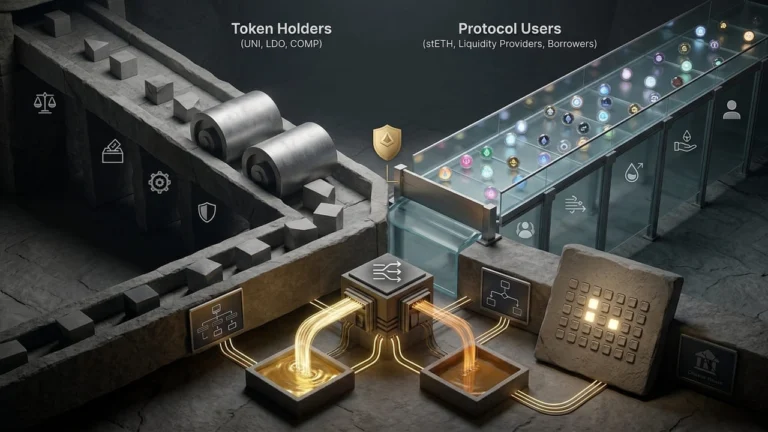
Highlights: Lido gives stETH holders veto rights when governance changes threaten stakers.

Stablecoins are no longer used primarily for crypto trading. Their role is expanding into the transfer and movement of funds between markets.

Highlights: Crypto hacks caused $2.87B in losses across nearly 150 incidents during 2025. Bybit’s $1.46B breach accounted for 51% of all crypto hack losses in 2025.

XRP, ADA, and HYPE are drawing fresh attention as traders compare regulation, governance, and on-chain growth across major crypto sectors.

Web3 often presents fragmentation as the price of innovation. Each blockchain optimizes for a different goal, from speed to security or specialized execution.
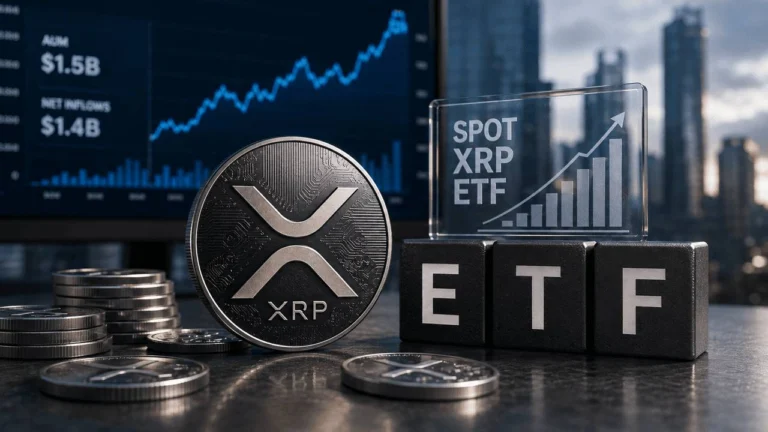
Spot XRP ETFs have changed how investors track utility tokens through regulated products, fund flows, and institutional filings. By July 2026, U.S.

Reward programs have become crypto’s favorite growth hack, and also its most convenient illusion.

The RWA boom is forcing crypto to confront a contradiction it avoided during easier cycles: real-world assets need real-world gatekeepers.

NFTs and play-to-earn games are not dead for good; they are still undergoing the kind of harsh correction that usually separates fads from markets.