AI Agents Driving On-Chain Activity via x402 Protocol

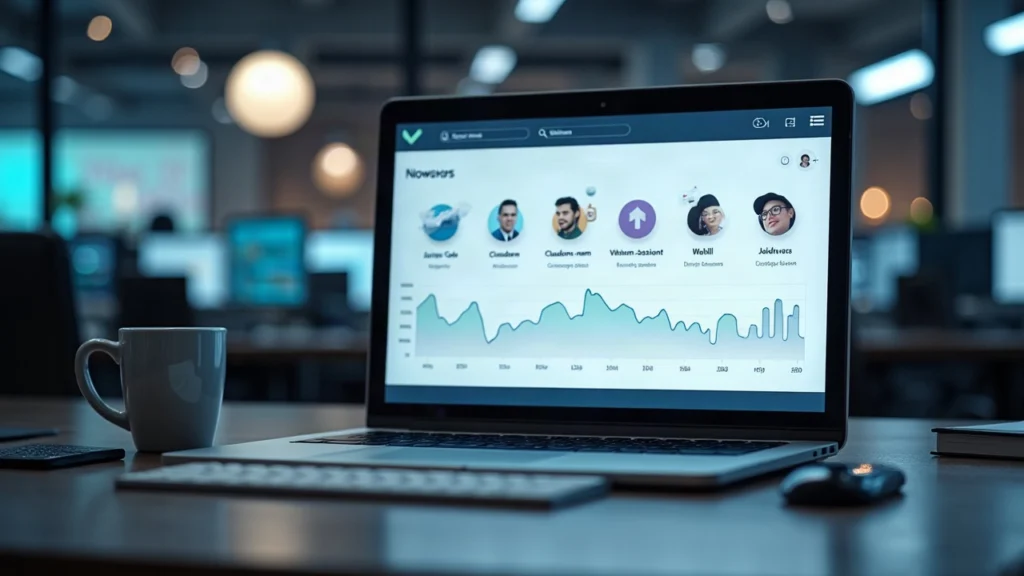
Central AI agent at a desk with a digital ledger in the background, illustrating on-chain payments via the x402 protocol.

Autonomous AI agents initiated 16.2 million transfers over the past 30 days using the x402 protocol, according to data from Token Terminal. The activity highlights the operational shift toward machine-to-machine commerce, where software agents pay for digital services and API access without human intervention.

Ritual Network Details Architecture for On-Chain AI Inference and Autonomous Agents

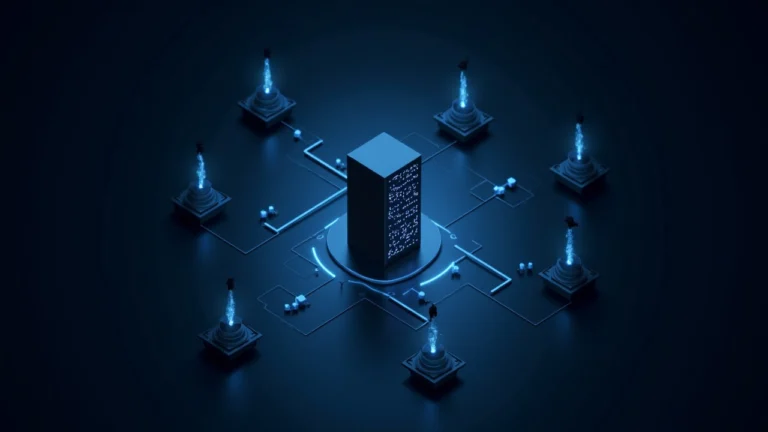
Server rack with AI interface and node silhouettes linked to a central orchestrator, symbolizing on-chain AI and Symphony

Ritual has published technical details for Symphony, an execution-aware consensus architecture designed to accommodate artificial intelligence and other computational workloads that conventional blockchains cannot efficiently reproduce across every validator. The design combines standard replicated EVM execution with delegated processing for resource-intensive or nondeterministic tasks, including large language model inference, image generation, external HTTP requests and […]

Algorand Launches GoPlausible x402 Facilitator for Agent Payments

Editorial portrait of a developer at a clean desk with monitors showing on-chain payments for Algorand GoPlausible x402

The Algorand ecosystem has launched the GoPlausible x402 Facilitator, a developer-facing payment and analytics platform for autonomous agents, APIs and digital services. The system is live on Algorand mainnet and is already processing payments connected to the x402 Global Challenge.

Algorand Launches x402 Global Challenge for AI Payment Infrastructure

Focused developer at a desk with a laptop showing code and a payment flow diagram illustrating x402 AI payments.

The Algorand Foundation has launched the x402 Global Challenge, inviting developers to build payment infrastructure for artificial intelligence agents and automated services. The competition focuses on practical implementations of the x402 protocol for programmatic payments over HTTP.

Hedera Advances Agent Infrastructure With MCP Server and Agent Skills Framework

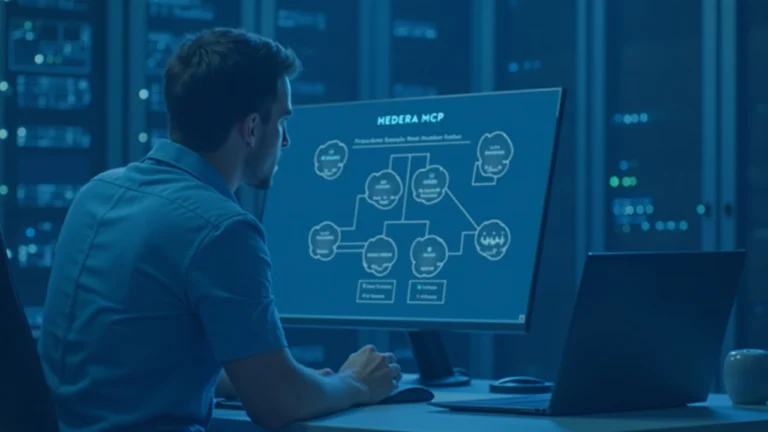
Cybersecurity engineer at a clean desk; monitor shows Hedera MCP endpoints diagram, Hedera logo in a blue data-center.

Hedera has deployed new infrastructure centered on the Model Context Protocol and an Agent Skills catalog, positioning its network as a standardized access layer for autonomous AI systems. The rollout introduces a hosted MCP environment designed to streamline how AI models interact with on-chain data and predefined network functions.

Algorand Berlin Hackathon Showcases Practical Agentic Commerce Applications

Berlin hackathon workspace: focused developer at a desk with code on screens and x402 pay-per-call transactions.

The move from theoretical AI agents to operational automated commerce took a practical step forward in Berlin, where developers showcased payment-enabled agent tools during a 36-hour build sprint. The Agentic Commerce x402 Hackathon took place June 6 and 7, 2026, at 42 Berlin and focused on real-world transaction capabilities using Algorand.

io.net Reports Over 30 Million Compute Hours and $24M On-Chain Revenue at Three-Year Mark

Editorial photo of a data center rack with blockchain icons and a muted world map, illustrating decentralized AI compute.

Decentralized GPU network io.net has reported more than 30 million compute hours delivered as it marks its third anniversary, alongside more than $24 million in accumulated on-chain revenue. The project’s official blog also placed annualized on-chain revenue at approximately $20 million, pointing to sustained infrastructure demand across its first three years of operation.

Fetch.ai Agent Marketplace Reaches 3 Million Agents Milestone

Reporter at a desk with a monitor displaying a 3M Fetch.ai agent marketplace UI with search and call icons.

Fetch.ai’s Agent Marketplace has reached nearly 3 million autonomous agents in its hosting environment, marking a major scale milestone for the project’s agentic infrastructure push. Fetch.ai said the agents are now accessible through discovery and deployment tools that let users search, call and integrate them into workflows.