Pocket Brings ERC-8426 NFTs to Robinhood Chain
Pocket launches ERC-8426 NFTs on Robinhood Chain, letting holders interact with onchain collectibles through Apple Wallet and Google Wallet.

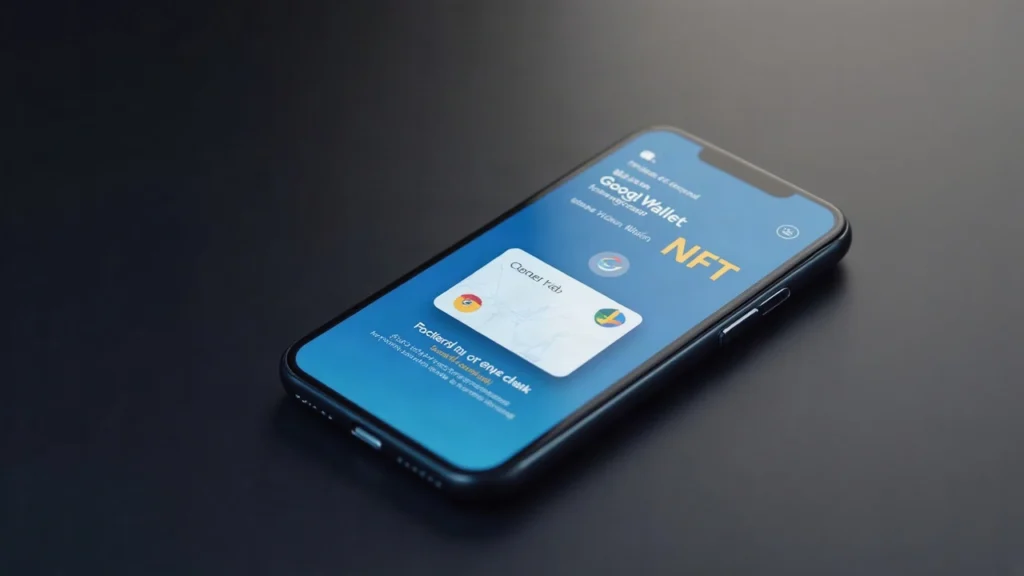
Pocket has launched and sold out its NFT collection on Robinhood Chain, bringing ERC-8426 wallet-pass functionality from an earlier testnet experiment into a mainnet collectible. According to the official Pocket Pad documentation, each Pocket can live as an interactive pass inside Apple Wallet or Google Wallet while ownership and game state remain recorded onchain. The collection uses ETH on Robinhood Chain, rather than Ethereum mainnet.
Pocket announced on November 7 that its initial mint had sold out and subsequently opened secondary-market trading. The launch provides a live mainnet implementation of ERC-8426, but not the standard’s first working implementation. Its predecessor, WALLETCHI, had already demonstrated the technology on Robinhood Chain testnet with 1,000 minted collectibles and more than 110,000 recorded onchain transactions.
ERC-8426 Connects NFTs to Mobile Wallets
ERC-8426 extends ERC-721 with a standardized way for NFT contracts to advertise mobile-wallet passes. Its passURI function points clients toward a manifest containing Apple Wallet or Google Wallet acquisition information, while PassUpdate events signal when displayed information should refresh. The NFT itself does not move into Apple Wallet or Google Wallet; the mobile pass is a representation connected to the underlying onchain token.
That distinction also affects security. The ERC specification explicitly states that possession of a wallet pass must not be treated as proof of ownership of the underlying NFT. State-changing actions require separate authorization and a fresh check of token ownership. Apple Wallet and Google Wallet therefore function as interaction surfaces rather than replacements for blockchain ownership or authorization.
Pocket arrives as Robinhood Chain’s NFT ecosystem continues developing beyond its early launch activity. OpenSea previously reported 50,000 NFT mints and 80,000 secondary sales on Robinhood Chain, while subsequent data showed NFT trading cooling after an early $3.13 million daily peak. Pocket adds a different interaction model to that market by connecting collectible state directly to mobile wallet passes.
Pocket Turns the Pass Into a Game
Each Pocket begins as a seed that can remain inactive indefinitely. Once its owner waters it for the first time through the Apple Wallet or Google Wallet card, a 72-hour lifecycle begins. The plant becomes thirsty after 24 hours, wilts after 48 hours and dies after 72 hours without watering, at which point it reveals a Spirit. Watering again before the deadline extends the lifecycle, while the underlying contract enforces the relevant state transitions.
Pocket therefore differs from conventional static NFT collections whose mobile interfaces primarily display metadata. Robinhood Chain has already hosted more traditional launches, including FWAir’s NFT distribution model and other collections generating conventional mint and secondary-market activity. Pocket instead uses the wallet pass as an active interface for an onchain game state.
The broader ERC-8426 specification is deliberately not limited to collectibles. Its authors describe potential applications including tickets, memberships, loyalty balances, credentials and tokenized real-world assets. However, ERC-8426 remains a draft standard, and Pocket’s successful launch demonstrates one implementation rather than widespread adoption across mobile wallets or tokenized assets.
The measurable development is narrower: Pocket has taken the wallet-pass architecture previously tested through WALLETCHI and deployed it commercially on Robinhood Chain mainnet. Its significance lies in demonstrating that an ERC-721 asset can expose a persistent Apple Wallet or Google Wallet interface while keeping ownership and state transitions onchain.
Mia Thompson
I am Mia Thompson, a Blockchain Reporter specializing in Altcoins, and I am from Mexico. My day-to-day work consists of exploring the ecosystem beyond Bitcoin.
More from Mia Thompson →This article is for information only and is not investment advice. We report under our Editorial Policy; to flag an error, see our Corrections Policy.