Zcash floats dynamic fee plan to keep transaction costs predictable and prevent users from being priced out
Zcash has proposed a dynamic fee plan intended to keep transaction costs predictable and prevent users from being priced out, the Shielded Labs proposal states.

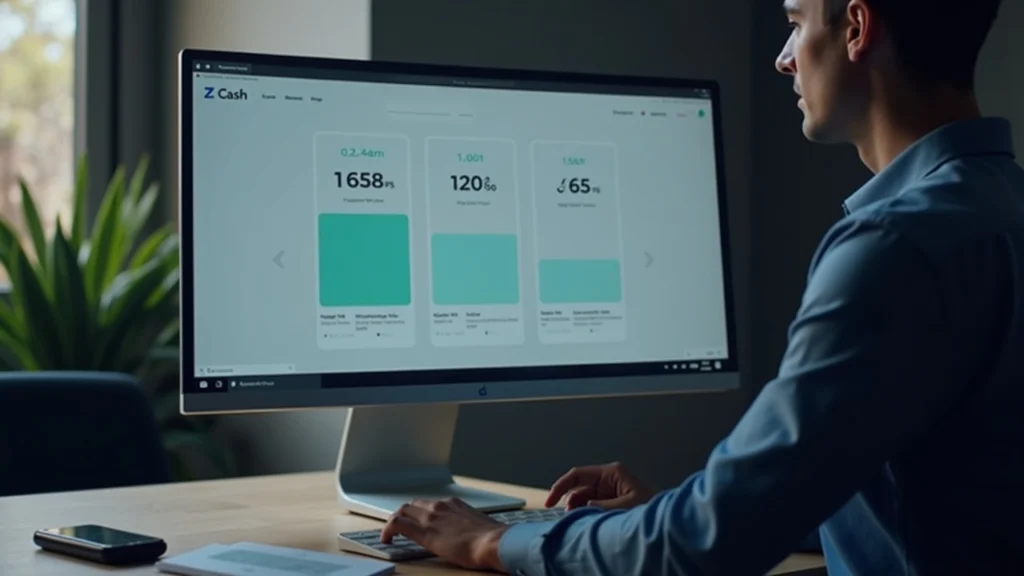
Zcash has proposed a dynamic fee plan intended to keep transaction costs predictable and prevent users from being priced out, the Shielded Labs proposal states. The plan replaces a historically static fee with a system that ties the base cost to recent network activity, aiming to preserve privacy and routine access even during congestion. The approach is framed to maintain affordability and stability even under network load.
How the Zcash dynamic fee plan works
The proposal sets the base fee using the median fee per action over the preceding 50 blocks, rather than relying on momentary bids; this anchors fees to recent network behavior and reduces abrupt spikes. Definition: a median-based fee takes the middle value from a set of recent fees to smooth outliers and slow rate of change.
Fee bucketing converts fees into discrete steps by powers of ten (for example, 100, 1.000, 10.000 zatoshi), a design that reduces linkability of transactions by obscuring granular fee data while making costs easier to anticipate. Definition: fee bucketing groups continuous values into predefined tiers to improve privacy and simplicity.
A temporary priority lane lets users pay 10 times the standard fee for faster inclusion; the proposal frames this as a pressure-release mechanism that siphons urgent, high-paying transactions away from the standard lane to keep the median-based fee lower for most users. Definition: the priority lane is a market-segmentation tool that trades faster processing for higher payment.

Market context and user impact
Shielded Labs and the Electric Coin Company identified weaknesses in the legacy static fee model, which was originally 10.000 zatoshi and later reduced to 1.000 zatoshi; that fixed approach worked under light load but exposed the network to “sandblasting” spam episodes that clogged wallets and congested the chain. The proposal coincided with a 12–24% uptick in ZEC market value, reflecting market attention to protocol-level fixes; this surge may affect short-term liquidity and hedging decisions.
The rollout is phased: initial off-chain monitoring, then wallet policy updates, and—if approved—a straightforward consensus change, designed to minimize complexity and avoid contentious forks. For traders and infrastructure providers, the staged approach signals an operational window to update fee-estimation tooling and wallet UX to incorporate median and bucketed fee logic.
Practical implication for users: the combined measures aim to make transaction costs more predictable and to limit the ability of low-cost spam to degrade service, reducing the risk that ordinary users lose access during demand spikes.
The dynamic fee plan reframes Zcash’s fee economics toward a median-anchored, bucketed structure with an optional priority lane, targeting affordability and privacy without introducing complex token burns. The next verified milestone is the off-chain monitoring phase and subsequent wallet policy updates, which will indicate whether the proposal proceeds to a consensus change and broad network adoption.
Colin Harris
I'm Colin Harris, L1s Analyst and Web3 Reporter for the United States. My day-to-day involves diving into the fundamental layers of the ecosystem, specializing in Layer 1 (L1s) networks.
More from Colin Harris →This article is for information only and is not investment advice. We report under our Editorial Policy; to flag an error, see our Corrections Policy.