Pudgy Penguins Expands IP Licensing and Retail Presence
Pudgy Penguins expands licensing, retail products and payments as it pushes its NFT-born brand into mainstream consumer IP.

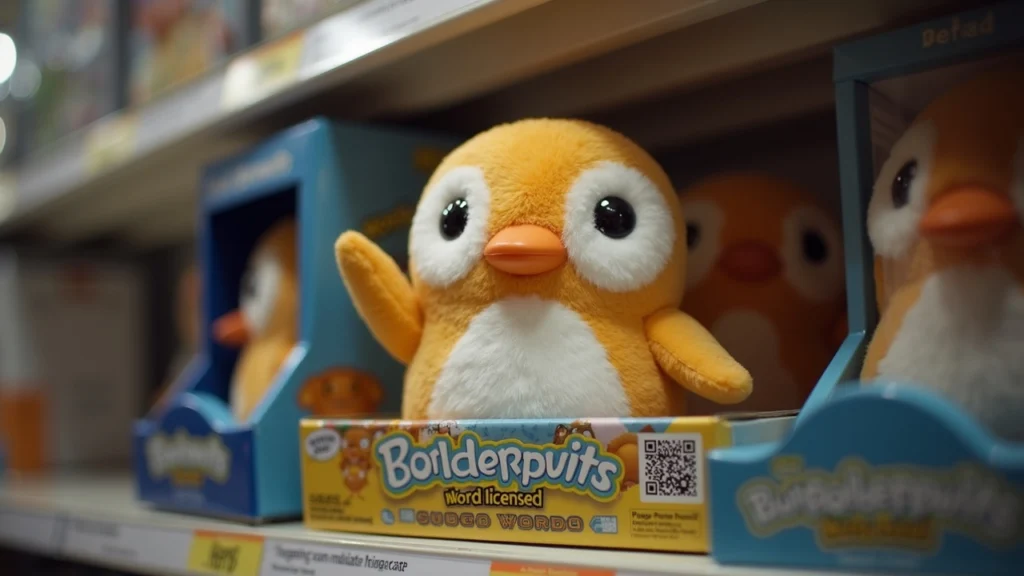
Pudgy Penguins is expanding deeper into consumer products through new licensing agreements, retail categories and payment products, continuing its effort to build a mainstream brand beyond its original Ethereum NFT collection. Its May ecosystem update highlighted partnerships spanning confectionery, beauty and lifestyle goods alongside preparations for longer-term licensing expansion. The strategy increasingly treats Pudgy Penguins as consumer intellectual property rather than a brand dependent primarily on NFT trading activity.
Among the newest agreements is an exclusive direct-to-retail partnership with IT’SUGAR covering gummies, chocolates and collectible candy containers, with products scheduled for approximately 105 locations beginning in early Q3. Pudgy Penguins also partnered with SNAP to expand into skincare, bath and body products and fragrances. The new licenses push the brand into categories far removed from its original collectible and toy business.
Physical Products Remain Connected to Digital Ownership
The expansion builds on a licensing model Pudgy Penguins introduced with Pudgy Toys. The project says those products were created using NFT intellectual property licensed directly from community members, giving selected holders a route for their characters to appear in physical merchandise. Its current IP terms separately grant owners limited commercial rights over artwork associated with their NFTs. Digital ownership can therefore function as a source of licensed character IP, although not every Pudgy Penguins retail partnership necessarily uses holder-owned artwork.
Physical toys also retain a digital onboarding component. Pudgy Penguins says each participating toy includes a QR-linked birth certificate that can unlock traits inside Pudgy World, where users can sign in with an existing wallet or create one using an email address. Walmart continues to list Pudgy Penguins products, while Target also carries products under the brand. The model uses conventional retail as an entry point into a blockchain-linked experience without requiring consumers to begin by purchasing an NFT.
The brand has extended that physical strategy into payments through its collaboration with KAST. Pengu Card is a co-branded Visa product available in virtual and physical form to verified KAST users. Current KAST documentation lists 1.5% USD cashback for the standard tier, 2% plus KAST Points for the premium tier and 3% plus additional points for its highest tier. The card brings Pudgy Penguins branding into everyday spending, but its financial mechanics remain part of KAST rather than the PENGU token itself.
Trademark Case Adds an IP Risk to Retail Expansion
The consumer push is proceeding alongside a federal trademark dispute. PEI Licensing, owner of the Original Penguin apparel brand, sued Pudgy Penguins on March 4 in the Southern District of Florida, alleging trademark infringement and dilution involving penguin branding used on clothing. Pudgy Penguins filed an answer and counterclaim in April. The allegations remain contested and do not constitute a judicial finding that Pudgy Penguins infringed PEI’s trademarks.
The dispute is particularly relevant as Pudgy Penguins expands into more physical categories because trademark exposure grows when a digital-native brand competes in conventional consumer markets. The case centers heavily on apparel and related marks, but PEI has sought broader injunctive relief concerning the disputed branding. It is therefore safer to treat the litigation as an unresolved IP risk rather than assume toys, licensing partnerships or payment products are categorically insulated from its eventual outcome.
PENGU should also be separated from the economics of those businesses. Pudgy Penguins’ own token materials do not establish a contractual right for PENGU holders to receive retail, licensing or card revenue. Growth in toys, licensing or payments may strengthen the broader brand, but it should not be presented as revenue automatically accruing to PENGU.
The broader strategy is now measurable across several fronts: established toy distribution, new consumer-product licenses, holder-linked IP initiatives and a branded payment card. Pudgy Penguins is testing whether an NFT-born identity can become durable consumer IP, with retail execution and licensing economics increasingly more important to that thesis than blockchain provenance alone.
Mia Thompson
I am Mia Thompson, a Blockchain Reporter specializing in Altcoins, and I am from Mexico. My day-to-day work consists of exploring the ecosystem beyond Bitcoin.
More from Mia Thompson →This article is for information only and is not investment advice. We report under our Editorial Policy; to flag an error, see our Corrections Policy.