Missouri Sues CoinFlip Over Alleged Crypto ATM Fraud Failures
Missouri sues CoinFlip over alleged crypto ATM fraud facilitation, seeking penalties, restitution and a possible operating ban.

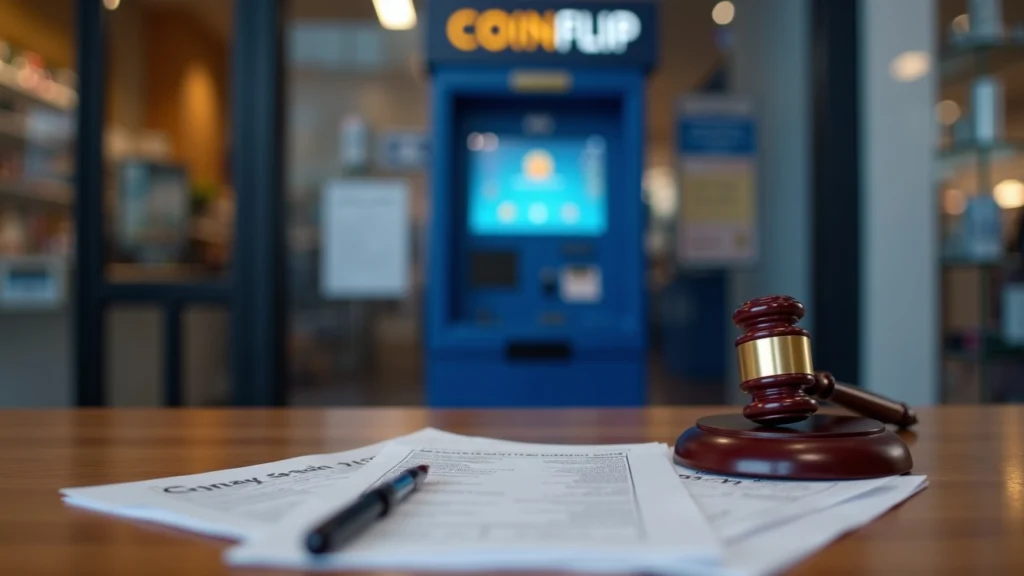
Missouri Attorney General Catherine Hanaway filed a lawsuit in late May 2026 against GPD Holdings LLC, the operator of CoinFlip, accusing the company of knowingly facilitating fraudulent transactions through its cryptocurrency ATMs. The complaint targets at least 136 CoinFlip machines in Missouri and seeks civil penalties, restitution for victims and an injunction that could bar the company from operating in the state.
The lawsuit alleges CoinFlip’s kiosks were used to process proceeds from romance scams, grandparent scams and tech-support schemes, causing what the filing described as “substantial financial devastation” for victims. The Attorney General claims CoinFlip profited from the activity, while violating the Missouri Merchandising Practices Act.
Complaint Targets Fees, Anonymity and Fraud Controls
The filing names GPD Holdings LLC, CoinFlip CEO Matias Goldenhörn and convenience store owners that host the machines. The complaint alleges the ATM network created conditions attractive to fraudsters, including irreversible transactions, opaque fee structures and a level of anonymity that complicated recovery efforts.
Missouri is seeking civil penalties of $1,000 per alleged violation over the past five years, with the total potentially reaching $1,826,000. The state is also asking for restitution to defrauded consumers and a court injunction that would prevent CoinFlip from operating in Missouri if granted.
CoinFlip rejected the allegations as “meritless” and said it intends to defend itself vigorously. The company also said it has supported consumer-protection laws for cryptocurrency kiosks, positioning its response around compliance rather than withdrawal from the market.
Crypto ATM Sector Faces Rising Scrutiny
The case arrives as crypto ATM operators face intensifying regulatory attention over fraud risk, fee transparency and consumer protection. Regulators have increasingly focused on the combination of irreversible crypto transfers and scam-driven cash deposits, particularly where victims are directed to kiosks by fraudsters.
The lawsuit could mean reduced access to cash-to-crypto locations if enforcement actions expand. Higher scrutiny may also force clearer fee disclosures and stronger fraud-warning controls across kiosk networks.
Any reliance on kiosk operators for liquidity or on-ramp access now carries greater counterparty and operational exposure, especially in states pursuing aggressive enforcement.
ATM operators face the clearest commercial impact. Stricter state-level controls, litigation exposure and higher compliance costs could become standard operating risks for companies managing cash-to-crypto networks.
The lawsuit will now move through court, where rulings on the injunction and alleged statutory violations will determine CoinFlip’s future in Missouri. For market participants, the case underscores how weak fraud controls at on-ramp infrastructure can become legal, operational and reputational risk.
Mia Thompson
I am Mia Thompson, a Blockchain Reporter specializing in Altcoins, and I am from Mexico. My day-to-day work consists of exploring the ecosystem beyond Bitcoin.
More from Mia Thompson →This article is for information only and is not investment advice. We report under our Editorial Policy; to flag an error, see our Corrections Policy.