Coinbase Details Root Cause of 50-Minute Outage as Configuration Error
Coinbase explains a 50-minute outage caused by a configuration naming collision, confirming no user funds were affected.

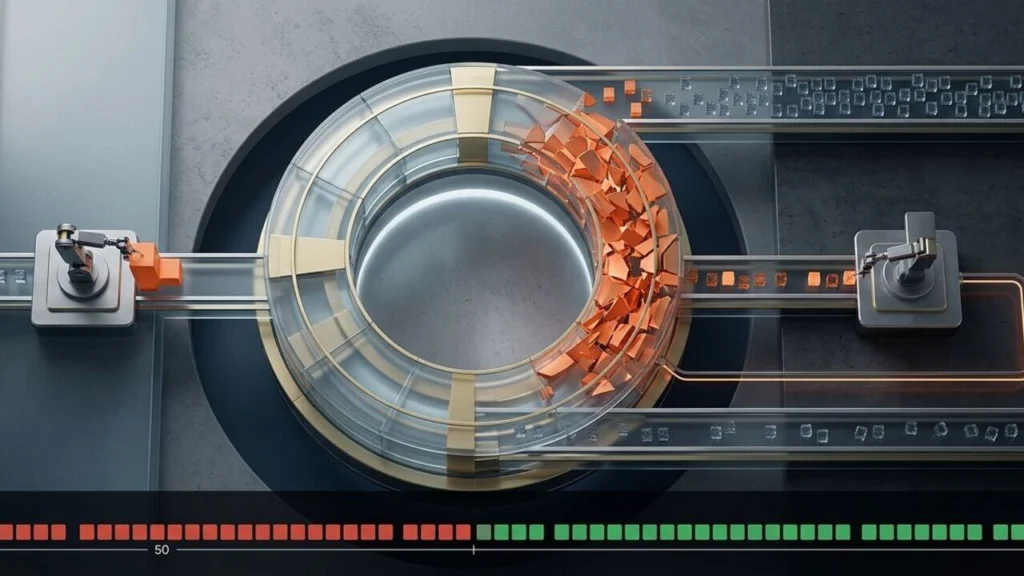
Coinbase has published a technical post-mortem explaining the July 14 service disruption that affected its retail, institutional and developer platforms for approximately 50 minutes. A routine configuration update created a naming collision between internal Kubernetes resources, disabling a critical network gateway.
The outage interrupted transfers, settlement workflows, card transactions and on-chain services, while queued operations remained delayed until infrastructure recovered. Coinbase said customer funds were never at risk during the incident.
Kubernetes Collision Disabled the Ingress Gateway
The failure began when a configuration change modified resources belonging to an Istio ingress gateway inside a shared production Kubernetes cluster. Pre-production checks failed to detect that two separate components used conflicting resource names.
Once the gateway became unavailable, inbound traffic to several core infrastructure services stopped. Internal asynchronous workflows responsible for settling trades, completing transfers and authorizing card transactions could no longer reach the services they required.
Retail users experienced stuck deposits and withdrawals, declined Coinbase Card debit transactions and unavailable on-chain swaps through Coinbase DEX on Base and Solana. Exchange, Prime and developer-platform clients also faced delayed transfers, settlement failures and restricted onboarding services until access was restored.
Recovery became more difficult because Coinbase’s standard deployment tools depended on the same gateway that had failed. Engineers could not complete a conventional rollback and instead used just-in-time privileged access to trigger a manual recovery workflow through the company’s cloud provider.
Coinbase Expands Deployment and Recovery Controls
Coinbase is adding deployment guardrails designed to detect and block Kubernetes naming collisions before configuration changes reach production. The company is also testing those controls against other potential resource-conflict scenarios.
The exchange will also strengthen the separation between deployment tooling and the infrastructure it manages. That change is intended to prevent future outages from disabling the systems engineers need to perform emergency rollbacks.
The July incident followed a longer May outage triggered by an AWS data-center cooling failure, which exposed separate weaknesses in Coinbase’s matching-engine failover and event-streaming infrastructure. Unlike that external thermal event, the July disruption originated from an internal configuration process.
Coinbase services are operating normally, but the incident reinforces how small configuration errors can create platform-wide effects when shared infrastructure becomes a single access dependency. The next test will be whether stronger collision checks, recovery-tool redundancy and regularly exercised emergency procedures reduce the duration and reach of future failures.
Tyler Anderson
Hi there! I'm Tyler Anderson from Sweden, and I'm a Web3 Reporter. My main focus is exploring the evolution of Web3, from DAO governance to the real utility of decentralized protocols.
More from Tyler Anderson →This article is for information only and is not investment advice. We report under our Editorial Policy; to flag an error, see our Corrections Policy.