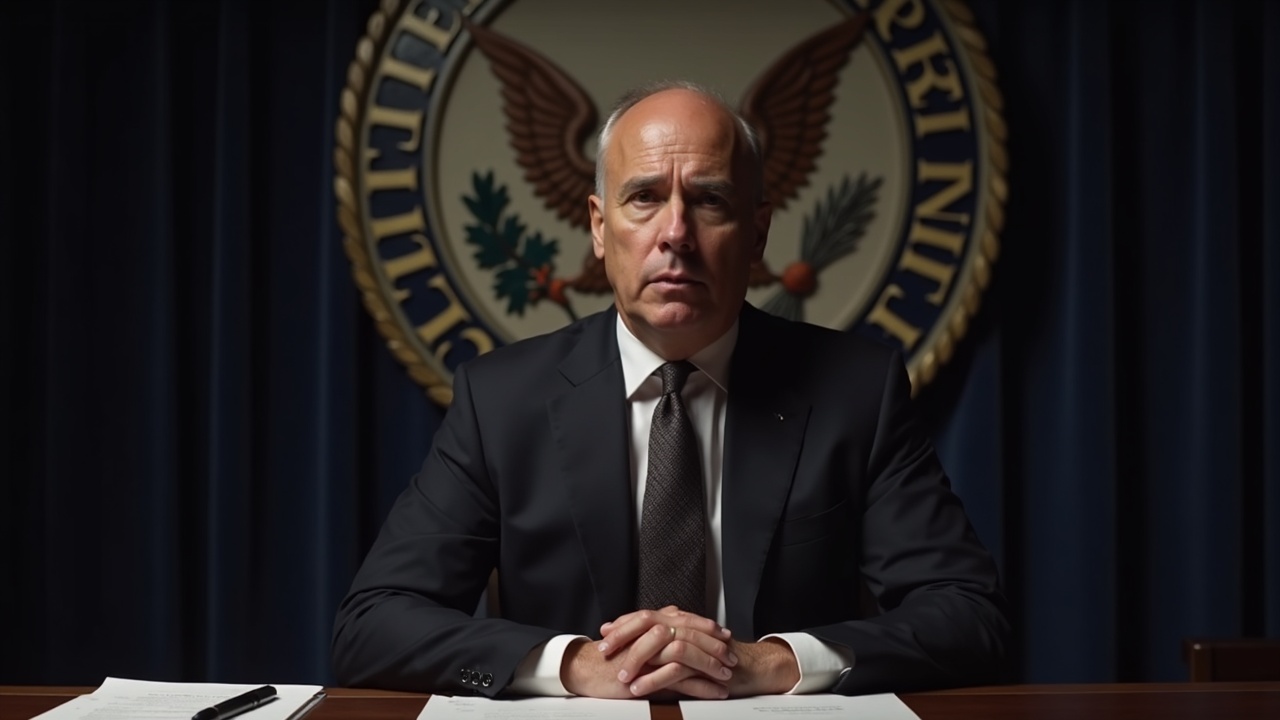


A federal judge in Manhattan hit pause on BlockFills’ ability to move a specific chunk of crypto after Dominion Capital accused the firm of improperly holding and commingling client assets. Judge Mary Kay Vyskocil issued a temporary restraining order freezing 70.6 BTC (roughly $5 million) and blocking any transfer of those coins outside the United States while the dispute moves forward. The order also requires BlockFills to segregate and account for customer funds, which is the court’s way of saying: keep the assets ring-fenced and be prepared to show exactly where everything sits.
The case escalated quickly after BlockFills suspended customer deposits and withdrawals on February 11, 2026, citing difficult market and financial conditions. Dominion Capital filed its complaint on February 27, alleging BlockFills retained millions in client crypto, mixed customer assets together, and concealed losses after halting withdrawals. In granting the emergency freeze, the judge concluded there was a risk of “immediate and irreparable injury,” which is what typically triggers this kind of short-fuse intervention.
Why the court stepped in now
The court’s move is less about deciding who is right today and more about preventing irreversible damage while the facts are tested. Freezing the 70.6 BTC and blocking transfers outside U.S. jurisdiction is designed to preserve control over the assets while the parties litigate. The additional requirement to segregate and account for customer funds raises the stakes operationally, because it forces BlockFills to produce clarity on asset location and treatment rather than relying on informal representations.
BlockFills first halted deposits and withdrawals on February 11, 2026. Dominion Capital sued on February 27, alleging improper retention of client crypto, commingling, and concealed losses. The temporary restraining order landed on March 3, and the next procedural pivot is March 17, 2026, when BlockFills must respond and when the restraining order is scheduled to expire unless it is extended or turned into a longer-term injunction.
What this means for counterparties and treasuries
Operationally, the ruling creates immediate friction for institutional counterparties because a court-ordered freeze is not just a headline—it can reshape assumptions about liquidity and control of assets in real time. It also increases scrutiny on BlockFills’ internal controls, especially where custody and lending functions intersect and where client assets are expected to be cleanly segregated. BlockFills has reported significant losses and has already undergone leadership change, with co-founder and CEO Nicholas Hammer stepping down and Joseph Perry named interim CEO while the firm seeks a buyer or emergency funding to address a liquidity squeeze.
The practical reality is that uncertainty around recovery and asset treatment often triggers tighter limits, faster de-risking, and more conservative routing decisions across institutional desks. The March 17 window will be the immediate checkpoint that determines whether this remains a short-term freeze or becomes a longer-lasting constraint with deeper implications for creditor recoveries and market access.