
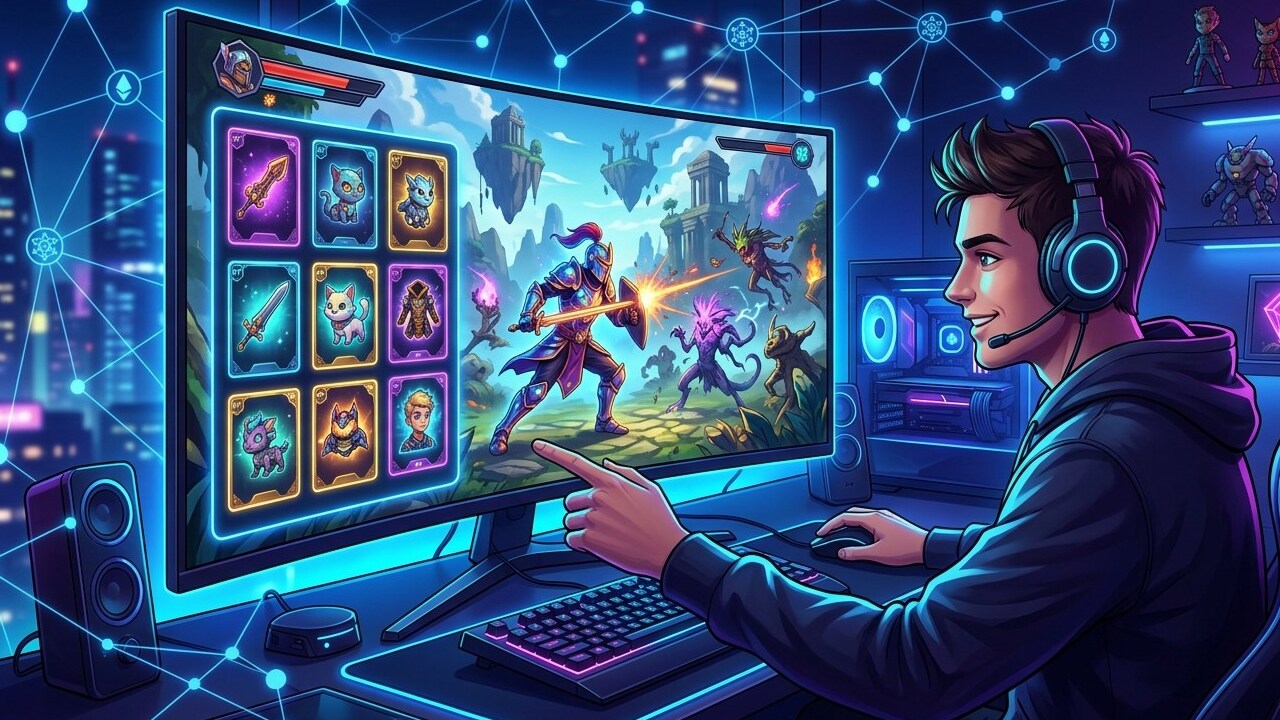
NFTs and play-to-earn games are not dead for good; they are still undergoing the kind of harsh correction that usually separates fads from markets. What looks like collapse may actually be consolidation. In Q3 2025, blockchain gaming still averaged 4.66 million active wallets per day and accounted for 25% of all active Web3 wallets, while NFT trading volume nearly doubled over the quarter to $1.58 billion and sales reached 18.1 million. Those are not euphoric numbers, but they are not obituary numbers either. They suggest the audience survived the crash, even if the old promise of effortless wealth did not.
Why the speculative era had to end
The future of Web3 gaming looks stronger where the product comes before the token. The sector is moving toward games first, economics second. The 2025 industry survey from the Blockchain Game Alliance says blockchain gaming is shifting beyond speculative origins toward a product-led future, with 29.5% of respondents naming high-quality game launches as the top growth driver and 27.5% pointing to sustainable, revenue-driven business models. That is a useful admission. The next generation of blockchain games is unlikely to win by paying users to click. It will win, if it wins, by making people want to stay, spend, and compete.
NFTs are going through a similar identity change. Ownership utility is replacing pure resale fantasy. A 2025 study of 703 NFT buyers in the International Journal of Research in Marketing found that utility-driven buyers made up 35% of the sample, while cautious investors were only 5%; the researchers also identified tech-savvy investors at 29% and curious speculators at 18%. That mix matters because it suggests demand is no longer dominated by flippers alone. DappRadar’s Q3 data also showed sports NFTs growing 337% to $71.1 million, a reminder that collectibles still work best when they connect to existing fan behavior today.
What could bring them back
That does not mean play-to-earn is about to return in its original form. The old extraction model has already lost the narrative. The 2025 BGA report says that in 2021 the industry story revolved almost entirely around play-to-earn, but by 2025 the picture had become far broader, shaped by AI, stablecoins, payment infrastructure, and more diverse game design. Cornell researchers, looking back at Axie Infinity, noted that when a broader crypto crash and a major hack hit the ecosystem, most users fled. That is the lesson: token rewards can attract crowds, but they rarely create loyal communities on their own.
NFTs and Web3 games are neither dead narratives nor guaranteed giants. They are becoming narrower, more practical, and potentially more durable. The strongest signal is not headline excitement, but the industry’s own change in incentives: fewer token-sale-first assumptions, more emphasis on gameplay, commerce, and infrastructure. That is why the upside still exists. If developers can reduce scams, improve distribution, and make blockchain features feel useful instead of ideological, NFTs and game economies may re-enter the mainstream through utility rather than hype. Sleeping giant is still possible, but only after the dream of easy money fully disappears.