
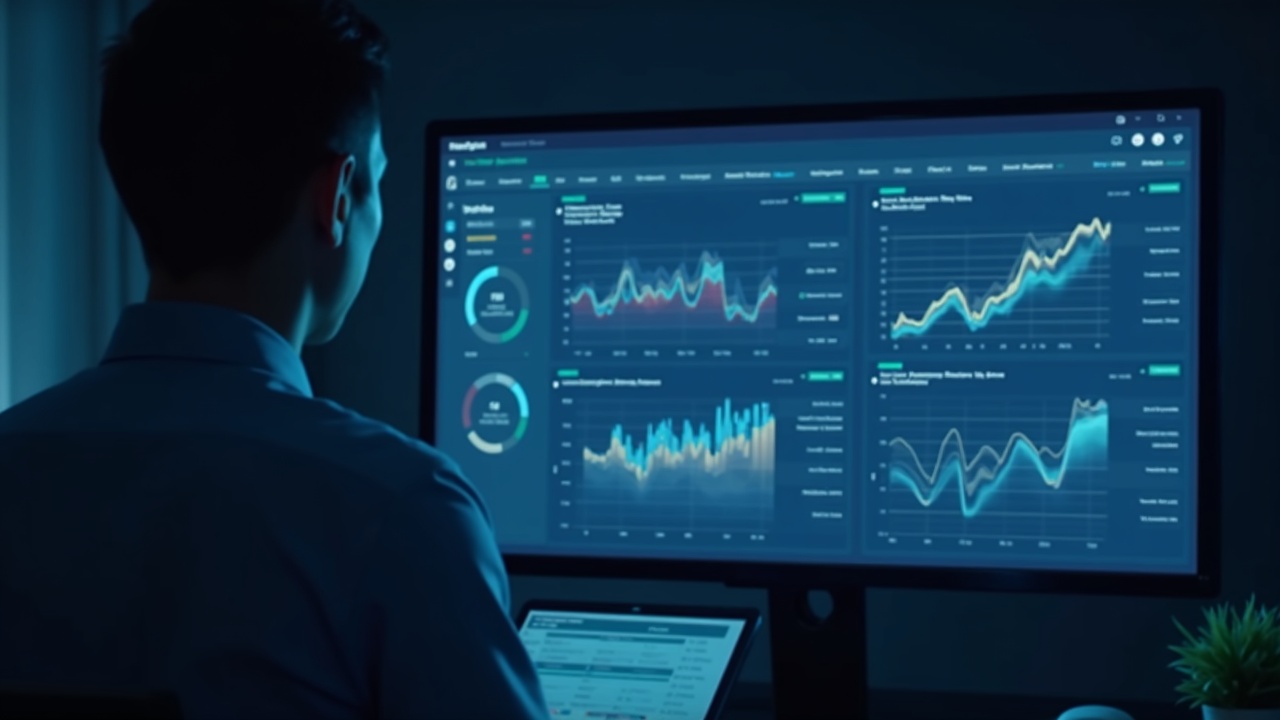
Nansen said that it has integrated its analytics platform with the Sui network, extending real-time on-chain intelligence, wallet labeling, and smart-money tracking into the Move-based ecosystem. The integration positions Nansen as a visibility layer for Sui activity, spanning token flows, contract interactions, and high-impact wallet behavior.
The stated objective is practical: convert raw on-chain data into decision-ready signals for teams that build, trade, and manage risk. This kind of visibility is positioned as a lever for faster product iteration, cleaner treasury monitoring, and more auditable due diligence for institutional workflows.
What the Sui integration delivers
Nansen described the rollout as bringing multiple capabilities directly onto Sui, centered on near-real-time monitoring and interpretation of network activity. The feature set is framed as a combination of dashboards for flows and volumes, AI-assisted analytics that blend on-chain and off-chain context, and wallet intelligence that profiles whales, protocols, and bridges.
In its own wording, Nansen summarized the move by saying it has “officially integrated with Sui,” bringing “AI-powered analytics, smart money tracking and wallet intelligence tools” to a fast-growing Layer 1. That positioning is intended to normalize Sui within the same analytics and monitoring stack many market participants already use elsewhere.
Operational impact and governance considerations
From a delivery standpoint, the integration is pitched as serving distinct user groups: developers get granular telemetry for monitoring usage and contract activity, investors gain faster reads on token performance and large-wallet flows, and institutions receive clearer trails for reviews. The value proposition is that a shared analytics layer can reduce information frictions that otherwise slow onboarding, capital allocation, and ecosystem development.
At the same time, the announcement itself acknowledged that externally documented case studies tying specific, measurable decisions to Nansen insights are still emerging, and that the platform’s influence is often incremental. In practice, the tooling is best treated as an input to internal strategy rather than a single source of truth that guarantees outcomes.
Nansen also implicitly highlighted model and labeling risk: wallet tags and AI signals can reduce uncertainty, but they can also introduce errors that sophisticated users must control for. Institutional adopters, in particular, are likely to keep layering additional on-chain and off-chain checks before acting on any labeled activity or automated signal.
Looking ahead, attention will center on the arrival of deeper token tooling on Sui, including Token God Mode, the Nansen Profiler, and real-time alerts tied to large transactions and protocol interactions. Those releases—plus any usage data or published case studies—will be the clearest evidence of whether this integration meaningfully changes developer behavior, institutional engagement, or capital flows on Sui.