
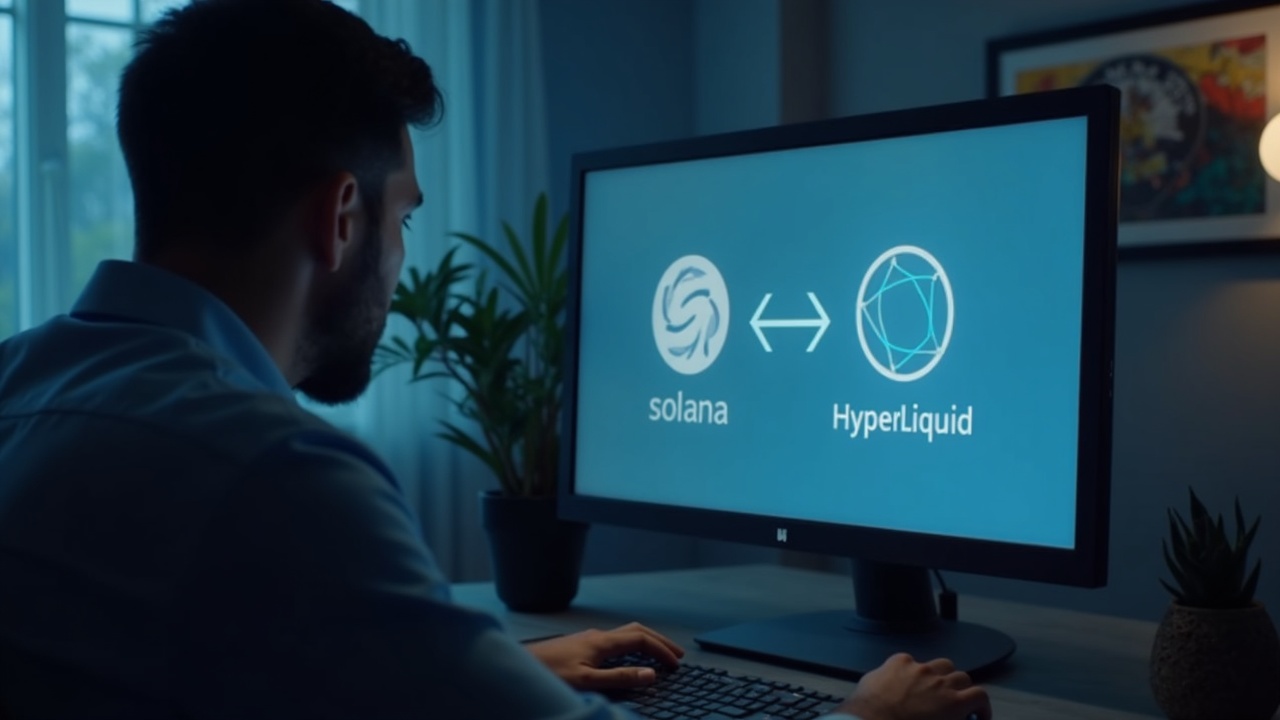
Trove Markets triggered a sharp community backlash after announcing a sudden pivot from Hyperliquid to Solana on January 19, 2026, sparking refund demands and allegations of mismanagement. The controversy intensified because the pivot followed a token sale that raised roughly $11.5 million and immediately raised questions about governance and use of proceeds.
The project said it was migrating to Solana after the withdrawal of a key liquidity partner and argued that Hyperliquid’s staking and liquidity requirements were no longer sustainable. Backers disputed that rationale and characterized the change as a bait-and-switch because the January 8 to 11, 2026 ICO had explicitly pitched Hyperliquid integration as a core use of funds.
$TROVE will launch on Solana
ICO participants who contributed via EVM, can connect their Solana wallet to receive $TROVE, on our ICO site: https://t.co/1VtxZ3pbB9. Ends 18th January, 5pm UTC. pic.twitter.com/NBCrpirq1c
— TROVE (@TroveMarkets) January 16, 2026
Pivot Rationale vs Investor Allegations
Trove pushed the Token Generation Event to January 19, 2026, citing the need to accommodate the technical shift and process refund requests tied to the roadmap change. The revised timeline became a focal point because it linked a major go-live milestone to damage control and contributor remediation.
We’re pivoting Trove to Solana.
After recent sentiment around Trove, the liquidity partner that had been supporting our Hyperliquid path chose to unwind their 500k $HYPE position. That was their decision and we fully respect it.
This changes our constraints: we’re no longer…
— unwise (@unwisecap) January 18, 2026
Community reporting and on-chain claims further complicated the narrative by alleging opportunistic token activity around the announcement window. Observers flagged what they described as a roughly $10 million HYPE token sale from a wallet linked to the project within 24 hours of the pivot and a separate claim that a partner unwound about 500,000 HYPE tokens.
Additional scrutiny emerged after blockchain investigator ZachXBT alleged a transfer of $45,000 in SOL from fundraising accounts to prediction market platforms. That allegation increased pressure for traceable, itemized accounting and reinforced investor concerns about treasury discipline.
The ICO reportedly raised about $11.5 million against an initial public target of $2.5 million, but participants also pointed to process issues around the sale window. Discrepancies including last-minute contract changes that extended parts of the offering beyond January 11, 2026 were cited as contributing to confusion on prediction markets and a reported trader loss of $73,000.
Trove has reportedly begun arranging refunds for some participants, with about $2.44 million described as being processed for affected backers. Refund execution now functions as an operational credibility test that will influence whether contributors view the response as remediation or containment.
Market Impact and What Stakeholders Will Watch
Market reaction was described as swift, with reports claiming the alleged HYPE selling pushed the token below key support levels and worsened sentiment in the Hyperliquid ecosystem. Investors argue the sequence of events reinforces fears of insider advantage and demands tighter disclosure around token concentration and counterparties.
In summary metrics cited by observers, the situation centers on roughly $11.5 million raised (January 8 to 11, 2026), alleged HYPE token events including about a $10 million sale and a claimed unwind of about 500,000 HYPE, and approximately $2.44 million of refunds reported as in process. These figures have become the baseline dashboard that stakeholders are using to evaluate whether disclosures align with on-chain activity.
Investors are now focused on the January 19, 2026 TGE and any accounting or audit Trove publishes as the next decisive proof point. For traders and liquidity providers, the episode elevates counterparty risk, governance quality, and treasury transparency as non-negotiable requirements when a project shifts its roadmap midstream.