DOGE Japan Edition launches to reform tax breaks and subsidies
Japan has launched the “DOGE Japan Edition” initiative to review and reform long-standing tax breaks and subsidies, aiming to stop an estimated ¥1.5 trillion annual revenue shortfall.

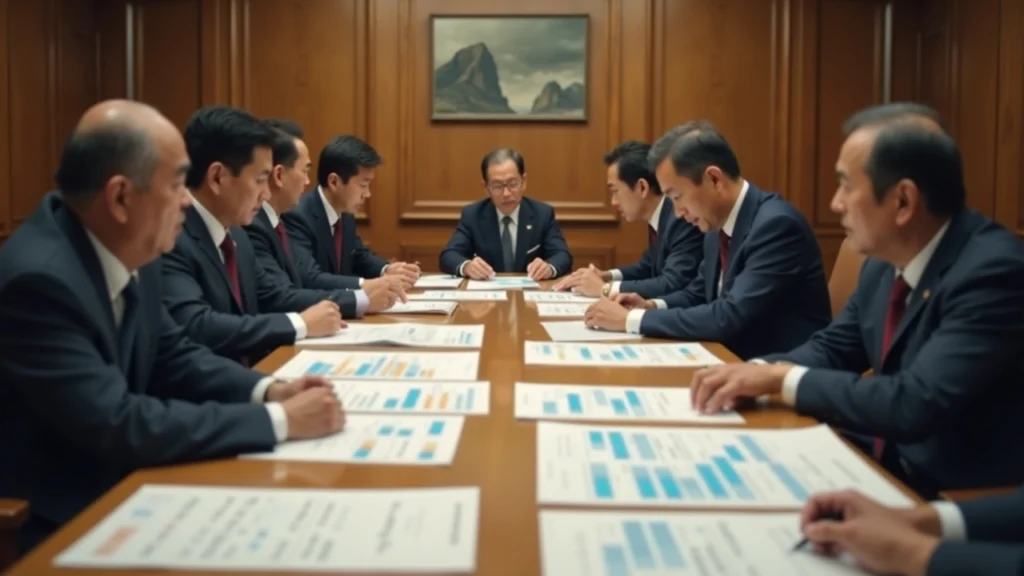
Japan has launched the “DOGE Japan Edition” initiative to review and reform long-standing tax breaks and subsidies, aiming to stop an estimated ¥1.5 trillion annual revenue shortfall. The policy office was created in November 2025 and held its first ministerial meeting in December 2025, signaling a structured, multi-year reallocation of fiscal incentives toward priority industries.
How the DOGE Japan Edition will operate
A dedicated unit of about 30 staffers within the Cabinet Secretariat will conduct a comprehensive review of tax measures and subsidy programs. The unit’s mandate is to identify privileges and corporate tax breaks with unclear policy impact and to examine subsidy projects across sectors such as energy and agriculture for potential abolition or redesign.
Officials named in the review process include Prime Minister Sanae Takaichi, Finance Minister Satsuki Katayama, Chief Cabinet Secretary Minoru Kihara, Minister of Internal Affairs and Communications Yoshimasa Hayashi, Minister for Administrative Reform Taro Matsumoto, and special adviser Takashi Endo. The government plans to solicit input from the public through social media to broaden transparency and gather citizen-led leads on wasteful spending.
The review will also consider the fate of provisional taxes, including the gasoline tax. Provisional taxes are temporary levies enacted to meet short-term revenue needs, and the office’s findings are intended to feed into the fiscal planning cycle, with recommendations slated for incorporation into the spending plan for fiscal year 2027.

Market and fiscal implications
The initiative comes amid a contrasting fiscal posture: in late 2025 the government approved a ¥21.3 trillion ($135 bn) stimulus package that included energy bill subsidies, expanded local government grants and child cash payments of ¥20,000 per child. That dual approach — near-term relief alongside structural pruning — creates a policy mix with direct implications for traders, corporate treasuries and institutional allocators.
For markets, a systematic reduction of tax privileges could change sectoral cash flows and competitive dynamics. The government has flagged strategic redeployment of funds toward shipbuilding and artificial intelligence, which may bolster capital allocation and R&D budgets in those industries while reducing support elsewhere. Treasury managers should expect increased regulatory scrutiny of firms that previously relied on targeted tax incentives; forecast models and scenario analysis will need to incorporate potential subsidy tapering and the timeline for any phase-outs.
Policy credibility depends on political cohesion: the initiative stemmed from a coalition deal between the ruling Liberal Democratic Party and Nippon Ishin no Kai. Success will require overcoming vested interests that have historically protected legacy tax and subsidy arrangements. The staged, consultative process aims to build public legitimacy for difficult decisions, but the scale of potential savings and the administrative complexity pose execution risks.
The DOGE Japan Edition frames a deliberate, institutional review of subsidies and tax breaks to reallocate public funds toward industrial priorities while cushioning households with targeted stimulus. The immediate milestone to watch is the office’s recommendations and their incorporation into the FY2027 spending plan, which will determine the concrete timing and scale of cuts or reallocations.
Travis Bennett
Hello! Let me introduce myself: I'm Travis Bennett, a Policy Analyst and Web3 Reporter based in Scotland. My main job is to navigate the maze of global crypto regulation. For years, I have been analyzing how laws and government decisions shape the future of this industry, always with a critical eye.
More from Travis Bennett →This article is for information only and is not investment advice. We report under our Editorial Policy; to flag an error, see our Corrections Policy.