House and Senate Democrats Press CFTC Chair Over Insider Trading, War Bets on Prediction Markets
Democratic lawmakers pressed the CFTC over insider trading and war-related prediction markets, escalating pressure on federal oversight.

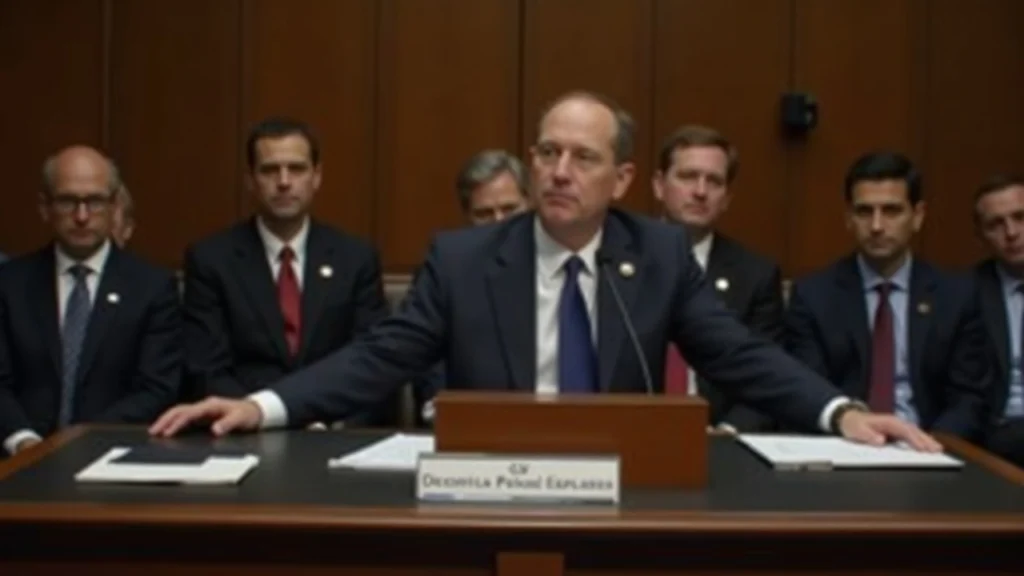
Democratic lawmakers have intensified pressure on the Commodity Futures Trading Commission after sending letters to Chair Michael S. Selig demanding answers on insider trading, war-related contracts and offshore prediction-market activity. The intervention raises the political cost of the CFTC’s current posture just as federal courts and federal agencies have been strengthening the case for national oversight of event contracts.
The House push focuses on whether the agency is doing enough to police contracts tied to armed conflict and other sensitive geopolitical events. Lawmakers said some of these markets amount to bets on war, hostage rescues and the capture of foreign leaders, and they asked Selig to explain what enforcement tools the CFTC is using and why it has not acted more aggressively. The House letter sets an April 15, 2026 deadline for a response.
The pressure is aimed at both market design and enforcement
The House Democrats’ demands are broad but pointed. They want the CFTC to apply existing policy against contracts tied to terrorism, assassination, war or other unlawful conduct, crack down on offshore platforms listing conflict-related wagers, and explain how the Commodity Exchange Act can be used to pursue insider-trading cases in event markets. That framing makes clear they are not just criticizing specific contracts, but challenging the agency’s entire enforcement stance toward a fast-growing corner of the derivatives market.
This new letter builds on an earlier Senate effort led by Catherine Cortez Masto and Adam Schiff. In a February 13 letter, they urged Selig to reverse course on what they described as the CFTC’s greenlighting of prediction markets, maintain the agency’s prohibition on certain gaming-style contracts, and avoid intervening in litigation in ways that would weaken state authority.
The fight is getting harder because federal authority is expanding
At the same time, the regulatory backdrop is moving in the opposite direction from what these lawmakers want. Under Selig, the CFTC has reaffirmed that it has exclusive federal jurisdiction over prediction markets offered on licensed venues, and it has opened a rulemaking process rather than moving toward a broad shutdown of the sector.
That position has been reinforced in court and in litigation strategy. The Third Circuit ruled on April 6 that New Jersey could not use state gambling law to regulate Kalshi’s sports-related contracts, holding that the Commodity Exchange Act likely preempts state action in that setting. Separately, the federal government has sued Arizona, Connecticut and Illinois to block state-level efforts to regulate prediction markets, arguing those states are intruding on the CFTC’s authority.
The result is a market with stronger federal backing but rising political risk. The immediate question is no longer whether prediction markets will face more scrutiny, but whether that scrutiny will come through case-by-case enforcement under existing law or through a more formal rewrite of the rules. The CFTC’s response to the April 15 deadline will be an early signal of which path it intends to take.
Tyler Anderson
Hi there! I'm Tyler Anderson from Sweden, and I'm a Web3 Reporter. My main focus is exploring the evolution of Web3, from DAO governance to the real utility of decentralized protocols.
More from Tyler Anderson →This article is for information only and is not investment advice. We report under our Editorial Policy; to flag an error, see our Corrections Policy.