Memecoins go from Christmas cheer to cold reality, sinking 65% in a year

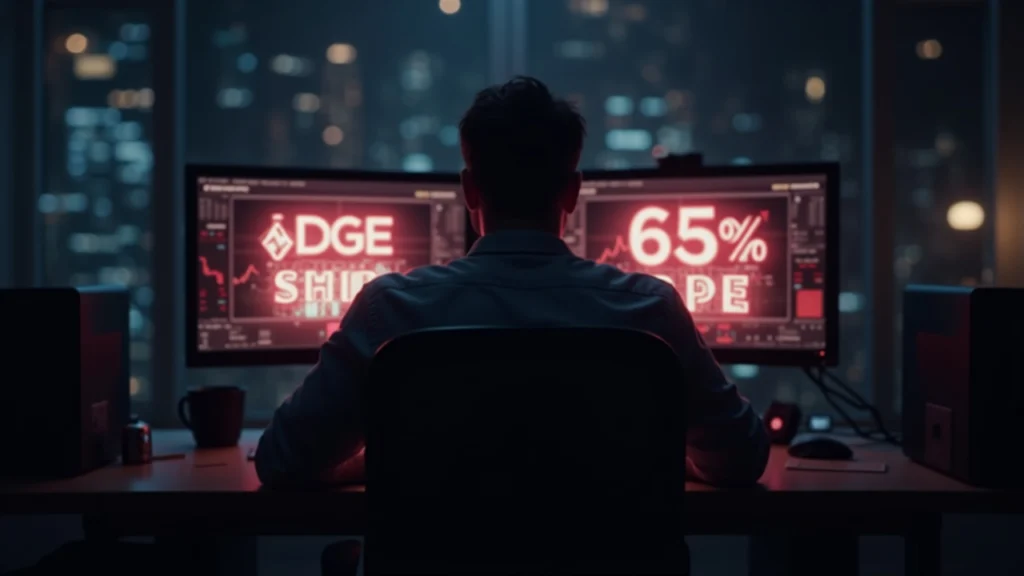
Memecoins fell 65% year-on-year as speculative fervor that peaked around late 2024 collapsed into a steep market contraction by late 2025. The sector’s market capitalization dropped from about $150.6 billion at its peak to roughly $39.4 billion by November 2025, pushing investors away from joke-driven tokens.
The drawdown paired sharp price declines with vanishing liquidity across venues. Monthly trading volumes plunged 85%, falling from $20.7 billion in December 2024 to $3.2 billion by December 2025, tightening spreads and raising execution risk for larger orders. Memecoin “mindshare” also shrank, sliding from an estimated 20% of speculative crypto attention in late 2024 to about 2.5% by October 2025, fragmenting retail flows and depressing secondary-market depth.
How the sell-off showed up in prices and positioning
Individual token performance reflected a broad-based unwind rather than isolated weakness. DOGE was down about 39% year-to-date, SHIB fell roughly 53%, and PEPE dropped more than 65% from its peak, erasing much of the segment’s speculative premium. The combined effect was a rapid compression of market caps across the cohort. The price action signaled that the market was repricing memecoin risk as a category.
Sentiment also rotated as investors redirected capital toward assets with clearer utility, while macro and regulatory uncertainty deepened the pullback. Tighter policy signals from major central banks reinforced risk-off positioning that hit high-volatility memecoins disproportionately. In that environment, marginal buyers became scarce. The sector’s dependence on momentum left it exposed once risk appetite cooled.
Security events and token saturation accelerated the reset
Fraud and rapid token issuance magnified losses and damaged confidence. On-chain activity showed daily launches near 73,000 new tokens early in 2025, and many disappeared within days via rug pulls. High-profile episodes included a single memecoin fraud valued at $57 million and allegations of organized cybercrime groups exploiting Solana-based launches. Security incidents added pressure, including a Shibarium network hack with losses of about $2.4 million, while one notable network collapse produced roughly $5.5 billion in losses and highlighted concentrated ownership and thin liquidity as systemic vulnerabilities. These failures reinforced that governance weakness and shallow liquidity can turn drawdowns into disorderly exits.
Structural features made the segment unusually sensitive to reversals. Centralized token supply, shallow liquidity pools, and a lack of intrinsic utility increased vulnerability to manipulation and rapid price swings. Market saturation from undifferentiated launches fragmented capital further. As liquidity dispersed across too many similar tokens, effective depth for individual projects deteriorated.
The market implications are operational as well as directional. As volume and depth declined, execution risk rose and slippage increased on sizable memecoin trades. Tail risk from scams and hacks elevated counterparty and custodial exposure for treasuries holding small-cap tokens. Higher volatility and deeper drawdowns forced portfolio models to reassess speculative sizing, while reduced liquidity in short-term derivatives and funding markets complicated hedging for directional exposure.
The collapse from late-2024 highs into a 65% annual decline marks a clear recalibration away from meme-driven speculation. For traders and institutional treasuries, the episode reinforces that governance, liquidity, and security risk must be incorporated directly into sizing and hedging decisions.
Travis Bennett
Hello! Let me introduce myself: I'm Travis Bennett, a Policy Analyst and Web3 Reporter based in Scotland. My main job is to navigate the maze of global crypto regulation. For years, I have been analyzing how laws and government decisions shape the future of this industry, always with a critical eye.
More from Travis Bennett →This article is for information only and is not investment advice. We report under our Editorial Policy; to flag an error, see our Corrections Policy.