Tajikistan Imposes Criminal Penalties for Crypto Miners Using Stolen Power

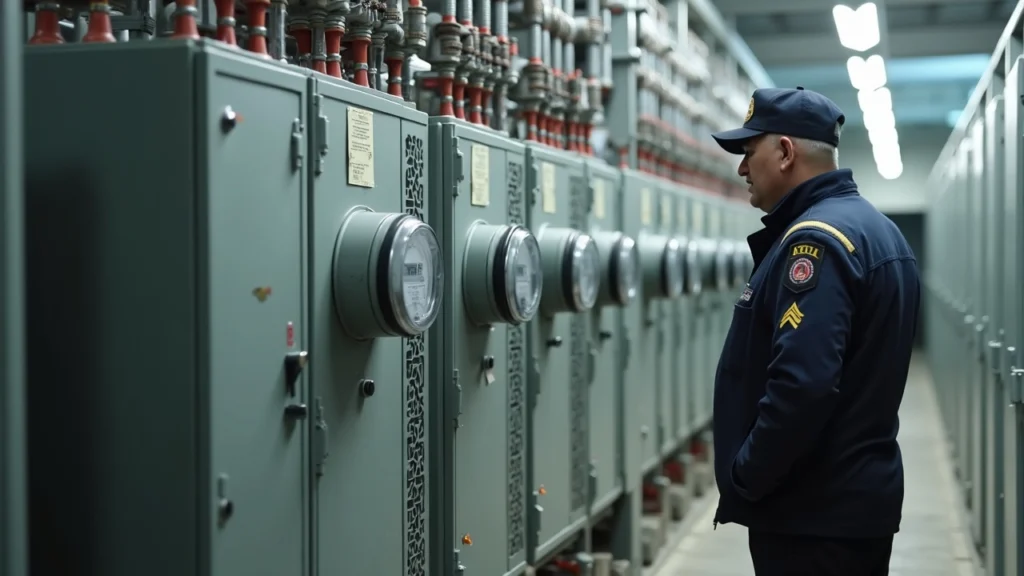
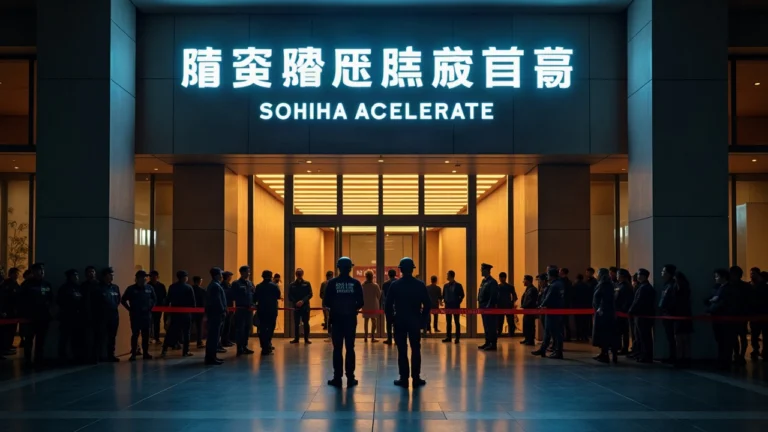
Tajikistan has criminalized unauthorized cryptocurrency mining that consumes stolen electricity, enacting penalties under Article 253(2) of its Criminal Code and making the measure effective in December 2025. The law prescribes fines of 15.000–75.000 somoni (about $1.600–$9.900) and imprisonment terms of two to ten years, a response to roughly $3.5 million in estimated grid losses tied to illicit mining, according to Tajik government estimates.
Legal measures and domestic enforcement
The new criminal provision specifically targets mining operations that tap public power without authorization, converting prior regulatory ambiguity into explicit criminal liability. Financial penalties range from 15.000 to 75.000 somoni and custodial sentences between two and ten years, as set out in Article 253(2) of the Criminal Code. Law enforcement has already moved aggressively: since January authorities opened 190 criminal cases and processed 3.988 administrative actions, according to government enforcement data. The combination of high fines and prison exposure signals a deterrence-first approach aimed at protecting fragile energy infrastructure.

Market and regulatory implications
Tajikistan’s measure is the first in Central Asia to single out electricity theft for crypto mining as a criminal offense, setting a potential regional precedent. For market participants, the immediate effects are operational and compliance-related: miners and service providers that operate in or route activity through Tajikistan face substantial legal and reputational risk; custodial sentences increase counterparty and operational risk for any firms indirectly exposed. For treasuries and product teams, the ruling amplifies the need for geolocation controls, auditable power contracts and enhanced due diligence tied to energy provenance.
The law also highlights a tangible angle of crypto regulation: infrastructure impact. Proof-of-work is a consensus mechanism that requires miners to perform energy-intensive computations to validate blocks. Regulators are increasingly treating excessive or illicit electricity use as a distinct harm, rather than a side effect of market activity. Globally, enforcement actions against crypto non-compliance have intensified, with aggregated penalties and asset seizures rising in recent quarters, according to global enforcement tallies cited in reporting — a trend that makes localized energy-focused rules part of a broader regulatory tightening.
Operational teams should prioritize three mitigations: enforce strict supplier and site verification; instrument on-chain and off-chain telemetry linking mining rewards to facilities; and implement contractual clauses that transfer exposure for illicit power use. Traders and risk teams should monitor flows and potential repricing in tokens tied to mining-dependent chains, where sudden jurisdictional enforcement can alter supply-side economics.
Tajikistan’s criminalization of electricity theft for crypto mining transforms a previously gray space into a high-risk activity, with fines and prison terms taking effect in December 2025 and active prosecutions already underway. Next verified milestone: the law’s full implementation in December 2025 and the progression of current criminal cases will indicate how strictly authorities will apply the new regime.
Tyler Anderson
Hi there! I'm Tyler Anderson from Sweden, and I'm a Web3 Reporter. My main focus is exploring the evolution of Web3, from DAO governance to the real utility of decentralized protocols.
More from Tyler Anderson →This article is for information only and is not investment advice. We report under our Editorial Policy; to flag an error, see our Corrections Policy.